
Who moves first? First aid and CPR when your site is some distance from help
On a site some distance from help, the minutes before the ambulance arrives belong to whoever is already there. Three questions to ask before the next shift.
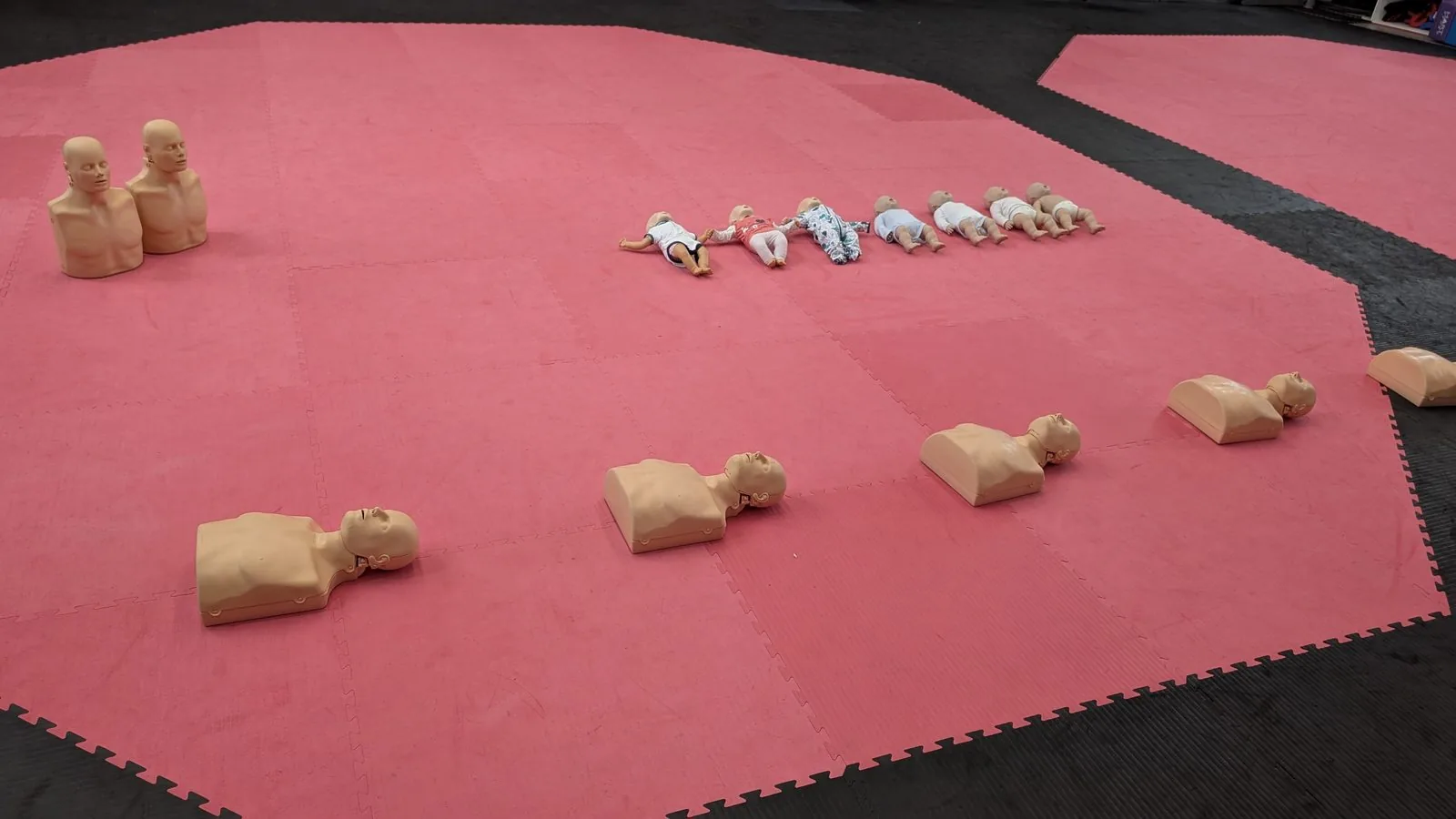
If someone collapsed on your site this afternoon, who would move first?
On a road crew, a construction job outside town or an electrical job in a regional centre, the honest answer is the person standing closest. The ambulance is on its way either way. The minutes before it arrives belong to whoever is already there.
What the guidance asks employers to think about
Safe Work Australia's model Code of Practice on first aid in the workplace asks employers to look at their own risks. On defibrillators, it says to consider providing one if there is a risk to workers from electrocution, if there would be a delay in ambulance services arriving at the workplace, or where there are large numbers of members of the public. Two of those three describe plenty of regional worksites.
In Victoria, WorkSafe's guidance on defibrillators at work asks employers to consider whether it is reasonably practicable to have one on site. WorkSafe recommends registering its location with Ambulance Victoria and making sure training covers CPR and using a defibrillator.
Requirements differ by state and by setting, so check with your own work health and safety regulator. This is general information, not legal advice.
Why the person on site matters
Victoria's cardiac arrest data shows what the people nearby can do.
- In Victoria, 17 per cent of cardiac arrest patients who received bystander CPR survived to hospital discharge, against seven per cent of those who did not (Victorian Ambulance Cardiac Arrest Registry, Annual Report 2024/25).
- In Victoria, 63 per cent of cardiac arrest patients who received bystander defibrillation survived to hospital discharge, against 35 per cent of patients who received defibrillation from first responders or paramedics (the same report).
These are Victorian figures across all settings, not regional figures. They show why the first minutes count wherever you are.
Three questions to ask before the next shift
- Who on this crew has first aid and CPR, and when did they last practise? The Safe Work Australia code recommends that first aiders refresh their CPR skills every year and renew their first aid qualification every three years.
- Where is the defibrillator and the first aid kit, and does everyone know? A defibrillator in the site office does little for a crew working somewhere else on the job.
- Could everyone tell Triple Zero (000) exactly where you are? A site without a street number needs directions someone can read out under pressure.
Where Apex fits
Apex delivers HLTAID009 Provide cardiopulmonary resuscitation and HLTAID011 Provide First Aid as nationally recognised training. The practical session can run at your workplace, for company and group bookings, and we bring all the training equipment. Your team does the online learning first, then the hands-on practice with us. Every HLTAID011 enrolment with Apex includes HLTAID009 Provide cardiopulmonary resuscitation, so when you are assessed competent you receive Statements of Attainment for both units.
Tell us where your crews work and we will talk through what a booking looks like for your site.
Call or email us now: Allan on 0433 895 537 or info@apexld.edu.au
Course details and fees: www.apexld.edu.au/first-aid/
Apex Learning and Development, RTO 46324.
HLTAID009 Provide cardiopulmonary resuscitation and HLTAID011 Provide First Aid are nationally recognised units of competency delivered by Apex Learning and Development, RTO 46324.